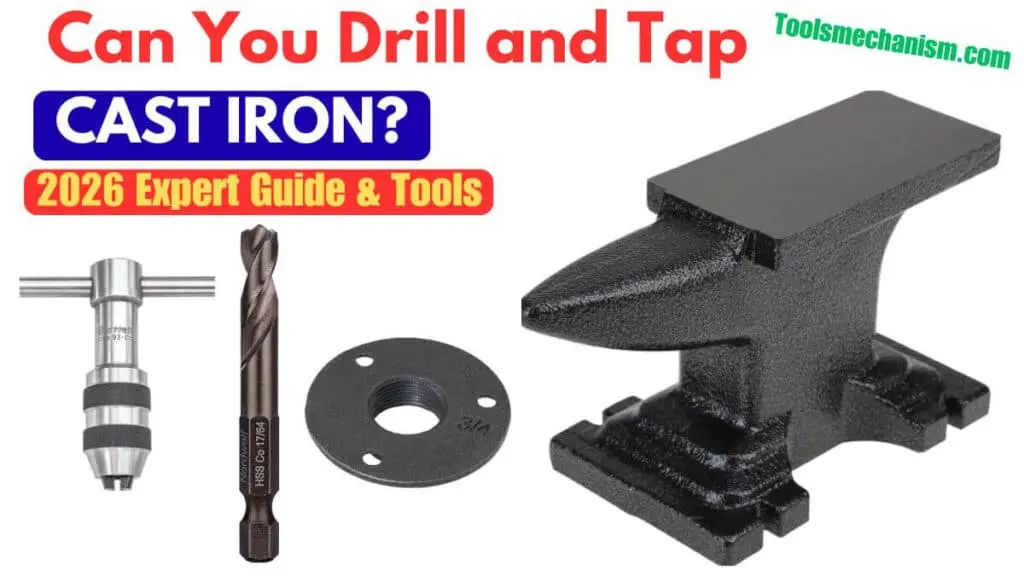
Can you drill and tap cast iron? Yes! It is possible. Cast iron is a strong material that can handle the process.
When drilling cast iron, use a High-Performance Cobalt drill bit. Carbide or cobalt bits work best.
When tapping, use high-speed steel taps. They’re strong and durable enough to cut threads into the metal.
Working with cast iron needs patience and care. Use proper lubrication to prevent overheating and tool/workpiece damage.
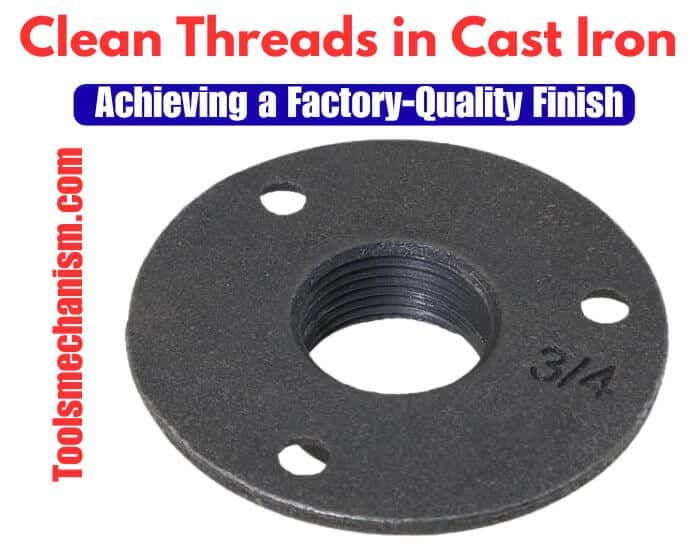
We will teach you the “Two-Forward, One-Back” rule, the secret of graphite lubrication, and how to manage RPM settings like a seasoned machinist. By the time you reach the end of this page, you won’t just have the answer to can you drill and tap cast iron; you will have the skills to do it perfectly on your first try. To truly master this craft, please examine Image 1 through Image 4 below and carefully follow our exclusive visual guide for a flawless factory finish.
Essential Tools for Drilling and Tapping Cast Iron (Expert Picks)
| Product Name | Key Benefit | Check Price |
|---|---|---|
| MACXCOIP M35 Cobalt 4-Pcs Set | Complete set for all Cast Iron Taps | Check Price on Amazon |
| Professional Tap Wrench SAE | Perfect Vertical Alignment | Check Price on Amazon |
| Tap Magic Industrial Pro cutting fluid | Clears Iron Dust & Cools Bit | Check Price on Amazon |
| Malleable Cast Iron Flange | Perfect for Practice & Projects | Check Price on Amazon |
Table of Contents
What is drilling and tapping in cast iron?
Drilling and tapping in cast iron is a common practice in many applications. Can You Drill and Tap Cast Iron. It means making holes and threading them to fit screws or bolts securely. This boosts the usefulness and flexibility of cast iron materials.
Here is a 5-step guide to do it:
| 1. Gather the tools: drill press, tap set, cutting lubricant, safety goggles, gloves. |
| 2. Mark the spot: use a center punch or awl to make an indentation at the desired spot. |
| 3. Drill the hole: Place the cast iron securely on the drill press table. Start with a small bit size and build up to the required diameter. Apply lubricant to reduce heat and lengthen tool life. |
| 4. Tap-threading: Remove debris. Select the tap according to the thread size and insert it into the drilled hole. Rotate clockwise while pushing down until it is fully threaded. |
| 5. Finishing touches: Remove lubricant and check proper alignment with screws or bolts for the thread size. |
Remember that drilling and tapping cast iron needs patience, accuracy, and caution because it is hard and brittle.
Did you know? This technique has been used since ancient times. Egyptians used copper or bronze rods with sharp ends to make holes in various materials, including cast iron.
Tools and materials needed
Can You Drill and Tap Cast Iron, Special tools and materials are needed to professionally drill and tap Cast Iron. Let’s explore what’s essential!
- Drill bits: High-Performance Cobalt Bits designed for metal drilling are best. They can provide efficient drilling without compromising quality.
- Taps: Cobalt steel taps are great for clean threading in Cast Iron. It’s important to pick the correct size tap for the desired threads.
- Lubricant: To reduce friction and heat during drilling and tapping, use cutting lubricant or tapping fluid. This helps prolong the life of tools and boosts performance.
For optimal success, take care of your tools. Clean them after use, store them properly and keep them sharp and in good condition.
Let’s now look at an interesting anecdote which highlights the importance of using the right gear.
A DIY enthusiast tried to drill a hole in Cast Iron with a regular drill bit. No progress was made and frustration grew until a professional suggested specialized drill bits designed for metalwork. It made all the difference, showing how important it is to have the right tools on hand for successful outcomes.
Remember, quality tools can save you time, effort and guarantee precise results when drilling and tapping Cast Iron.
Step 1: Preparing the cast iron surface
Can You Drill and Tap Cast Iron, Before drilling and tapping, prepping the cast iron surface is a must. Follow these simple steps to make sure it’s ready:
- Check for any existing damage or flaws.
- Smooth out any rough or uneven areas using a file or grinder.
- Thoroughly clean the surface with degreaser and a lint-free cloth.
- Apply a suitable lubricant or cutting oil to the area.
- Choose a High-Performance Cobalt drill bit for the desired hole diameter.
- Securely clamp the cast iron to avoid any movement.
Can You Drill and Tap Cast Iron? Remember, cast iron is brittle. Start with a small pilot hole before enlarging gradually. Use proper techniques for crack-free results. Take your time and be thorough for successful results!
Step 2: Marking the drilling and tapping points
Marking the points for drilling and tapping on cast iron is a must. It ensures accuracy and precision. Start by measuring and marking the needed locations. Then, use a center punch to make small indentations at the marked points. This will guide the drill bit to stop slipping.
Position the drill press over the marked point, making sure it’s secure. Choose the right drill bit size that fits the hole’s diameter for tapping. Attach it to the drill press. Align the drill bit with the indentation on the cast iron surface. Apply pressure while drilling.
Once the hole is drilled, clean away any debris or chips from both the surface and inside of the hole. Next, proceed with tapping.
Accurate marking of the drilling and tapping points is essential to get precise results with cast iron. Errors in this step can damage the process.
Step 3: Choosing the right drill bit and tap
Working with Can You Drill and Tap Cast Iron? Make sure to choose the correct drill bit and tap! High-Performance Cobalt Bitis best for durability. Step drill bits can be convenient, if you need multiple hole sizes. Match your tap to the size of your hole. Check thread pitch for compatibility and secure connections. Remember: precision and patience are key!
Choosing the Right Weapon: The M35 Cobalt Advantage
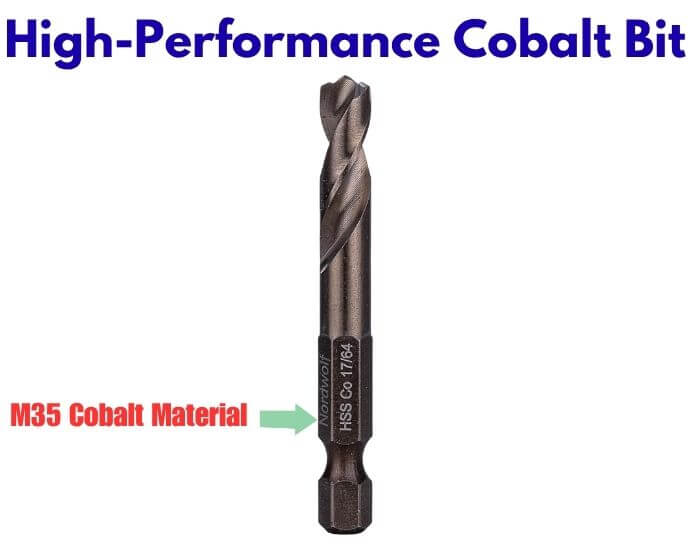
Ordinary high-speed steel (HSS) bits often struggle with the abrasive nature of cast iron. If you want to drill and tap cast iron without ruining your tools, you need the High-Performance Cobalt Bit shown in our guide.
Why M35 Cobalt? (Deep Dive into Image 2)
As highlighted in our second image, the HSS Co 17/64 marking is crucial. The addition of 5% Cobalt allows the bit to maintain its “Red Hardness” even when the friction of the iron generates intense heat. While a standard bit might soften and dull within seconds, the M35 Cobalt bit stays sharp, slicing through the graphite matrix with ease. Using the correct size, like the 17/64″ for a 5/16″ tap, ensures that you have the perfect amount of material left for strong, durable threads.
Step 4: Drilling the pilot hole
Can You Drill and Tap Cast Iron? Drilling a pilot hole in cast iron is a must. Here’s how to do it like a pro:
- Choose a High-Performance Cobalt drill bit.
- Mark the spot with a marker or center punch.
- Clamp down your workpiece.
- Start drilling slowly.
- Gradually increase the speed & apply steady pressure.
- Use cutting fluid or lubricant.
- Patience & precision are key.
- Safety measures are important.
- A tip: Reverse spiral flute bits can be more effective.
Plus, create an indentation with a brad-point or spot drill before drilling.
Step 5: Tapping the hole
Tapping a hole in cast iron takes precision and the right tools. Follow these 3 steps:
- Step 1: Pick the tap size for the thread you want. Ensure it’s designed for cast iron.
- Step 2: Secure the cast iron tightly. Use a vise or clamp.
- Step 3: Put cutting fluid on the tap and line it up with the drilled hole. Turn the tap clockwise and press until you reach your desired depth.
Cast iron is hard and brittle. When tapping, use slower rotational speeds and more cutting fluid than usual.
A pro tip: Back off the tap occasionally to clear chips or debris. This will help with smooth threading and make the tap last longer.
Precision Tapping: The Art of Control
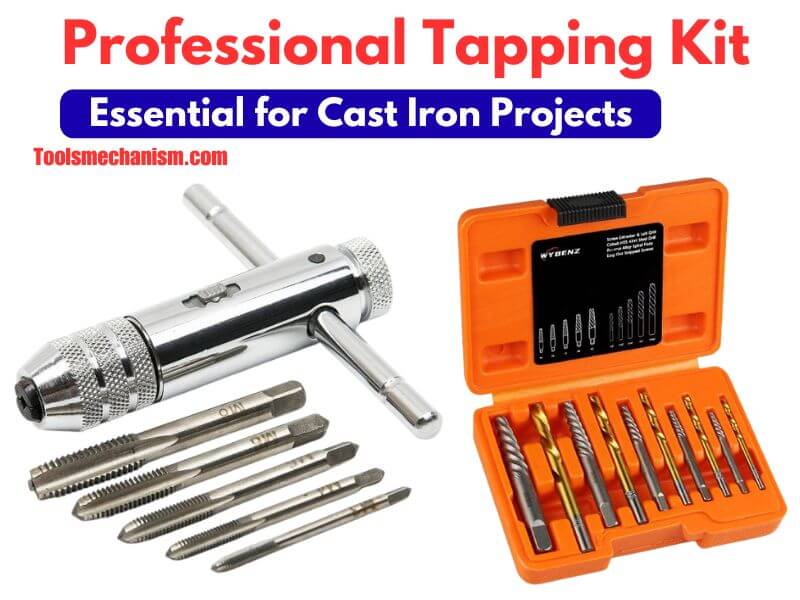
Once the hole is drilled, the real challenge begins. Tapping cast iron is where most people fail, usually by snapping the tap. Our Professional Tapping Kit (Image 3) highlights the tools you need for this stage.
Understanding the T-Handle Wrench
Control is everything. A standard adjustable wrench will apply uneven pressure, causing the tap to lean. A dedicated T-Handle Tap Wrench allows you to apply force equally from both sides. When you drill and tap cast iron, keeping the tap perfectly perpendicular to the surface is the only way to ensure the bolt will sit flush.
Step 6: Cleaning and finishing the tapped hole
- Follow these simple steps to clean and finish the tapped hole! First, use a brush or compressed air to get rid of any metal shavings or debris in the hole.
- Then, if needed, use a deburring tool to smooth out any rough edges.
- Finally, use a suitable cleaning solution like an industrial degreaser to cleanse the hole.
Also, don’t forget to use cutting fluids while drilling and tapping. And apply thread lockers or anti-seize compounds to threaded fasteners to protect them from corrosion. This will make sure your cast iron project is completed correctly and is durable. Plus, it’ll look great!
Tips and precautions
Can You Drill and Tap Cast Iron? To be successful when drilling and tapping cast iron, it is important to take some tips and safety measures. Here are a few key points to remember:
- Use a good quality drill bit made for cast iron. This will give you nice, accurate holes without damaging the bit.
- Start with a lower speed and gradually increase it. This will stop the bit from overheating and make the drilling smoother.
- Put cutting oil or lubricant on both the drill bit and the area being drilled. This helps reduce friction and heat.
- Take regular breaks to let the bit cool down and last longer.
- Use a tap made for cast iron when tapping. These have sharp edges that can thread through the strong material.
Also, use caution when working with cast iron:
- Wear safety gear such as goggles and gloves to prevent any injuries or debris.
- Keep the work place clean and tidy to stop accidents and make the job easier.
- Secure your workpiece firmly with clamps or vices to stop it from moving while drilling or tapping.
Conclusion
Drilling and tapping cast iron is tricky. Can You Drill and Tap Cast Iron, You need the right tools and techniques. Use carbide or cobalt drill bits. Tap slowly to avoid breaking the material. Cutting fluids reduce friction and extend tool life. Clean holes after drilling and tapping, so debris won’t interfere with fitting. Wear safety gear when using power tools on cast iron.
Also, pre-drill with a smaller drill bit. This creates a pilot hole, helping you guide the larger drill bit. It increases accuracy and reduces damage.
Pro Tip: Mark desired hole locations with a center punch. This guides your drill bit and tap, ensuring precision and reducing slippage.
By following the “Two-Forward, One-Back” rule and using the specialized tools recommended above, you are no longer a DIYer; you are a craftsman. Thank you for learning with Toolsmechanism.
Buying Guide: Choosing Your Professional Tools
Now that you have mastered the technique, you realize that your old, dull bits won’t cut it. To achieve the factory-quality finish seen in our guides, you need professional-grade equipment. We have researched the market to find the exact tools that match the specifications taught in this guide.
Essential Tools for Drilling and Tapping Cast Iron (Expert Picks)
| Product Name | Key Benefit | Check Price |
|---|---|---|
| MACXCOIP M35 Cobalt 4-Pcs Set | Complete set for all Cast Iron Taps | Check Price on Amazon |
| Professional Tap Wrench SAE | Perfect Vertical Alignment | Check Price on Amazon |
| Tap Magic Industrial Pro cutting fluid | Clears Iron Dust & Cools Bit | Check Price on Amazon |
| Malleable Cast Iron Flange | Perfect for Practice & Projects | Check Price on Amazon |
Frequently Asked Questions
1. Can you drill and tap cast iron?
Yes, it is possible to drill and tap cast iron. However, it requires special tools and techniques due to the hardness and brittleness of cast iron.
2. What tools are required to drill and tap cast iron?
To drill and tap cast iron, you will need a High-Performance Cobalt drill bit and Professional Tapping Kit tap, cutting fluid or lubricant, a drill press or sturdy handheld drill, and a vise or clamp to secure the workpiece.
3. What are the key considerations when drilling and tapping cast iron?
When drilling and tapping cast iron, it is crucial to use slow rotational speeds and apply moderate pressure. Using cutting fluid or lubricant is essential to reduce heat and prolong tool life. Pre-drilling with a smaller-sized bit may also help prevent cracking.